The First Bill in a New Flat: A Southend Renter's Guide to Meters, Tariffs and Charges
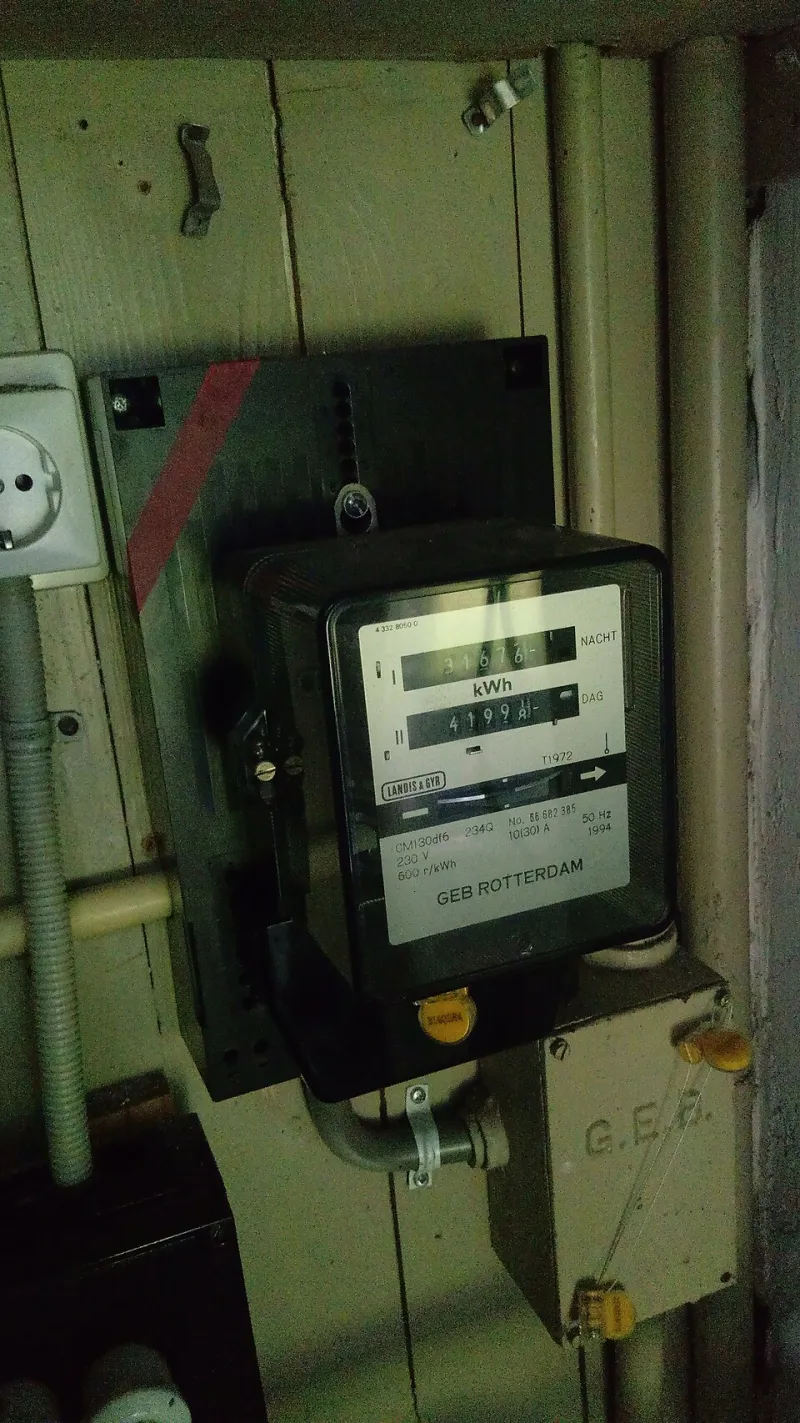
Photo: Donald Trung Quoc Don (Chữ Hán: 徵國單) - Wikimedia Commons - © CC BY-SA 4.0 International.(Want to use this image?)Original publication 📤: --Donald Trung 『徵國單』 (No Fake News 💬) (WikiProject Numismatics 💴) (Articles 📚) 19:55, 10 January 2021 (UTC), CC
A first energy bill is rarely a pleasant introduction to a new home. It arrives weeks after the move, often when the deposit, the removals and the first month's rent have already thinned the bank account, and it rarely matches what the tenant expected. In a town with as much turnover in the private rented sector as Southend — from flats above shops in the town centre to conversions in Westcliff and Leigh — the same handful of avoidable mistakes comes up again and again.
What follows is a practical sequence, written for someone who has just picked up the keys and does not want to spend the next six months arguing about a meter.
Day one: find the meter and photograph it
Before unpacking, locate both meters — electricity and gas — and take a clear photograph of each reading, including the serial number. Where the meter is a smart meter, photograph the in-home display as well. Note the date and time.
This single step resolves a surprising share of later disputes. If a bill appears to cover energy used before your tenancy began, or if there is a discrepancy about the opening reading, a dated photograph is the strongest evidence you will have.
In some buildings the meters sit in a communal cupboard, a basement or an external cabinet. If you cannot find them, or cannot access them, ask the letting agent in writing on the day you move in.
Telling the supplier you have arrived
Responsibility for the supply passes to you from the day your tenancy starts, even if you have not yet chosen a supplier. Contact the existing supplier as soon as you can, give your moving-in date and opening readings, and set up an account in your name. Until you do, correspondence will keep being addressed to the previous occupier, and estimated charges may be based on their usage.
You are not obliged to stay with that supplier. There is a switching window and no exit fee applies during it. If the property is on a costly deemed contract, a comparison with other tariffs is usually worthwhile once the account is in your name.
Understanding what you are actually paying for
A domestic energy bill has two main components, and confusing them is the source of much of the frustration tenants express.
The standing charge is a fixed daily amount covering the cost of keeping the property connected and supplying the meter. It applies whether you use any energy or not, and it varies by region and by supplier. The unit rate is the price per kilowatt hour of gas or electricity actually used.
Some Southend flats, particularly older conversions with storage heaters, remain on a two-rate arrangement such as Economy 7 or Economy 10, where overnight electricity is cheaper than daytime use. If the property has such a meter, check that your usage habits match the tariff — storage heaters charged overnight make sense; running a washing machine in the afternoon on a night-rate tariff does not.
Direct debits, credit balances and the winter squeeze
Most suppliers set a fixed monthly direct debit that spreads the annual cost evenly, so you build credit over summer and draw it down over winter. A balance in credit in September is normal. A balance building rapidly in January is not, and usually means the direct debit was set too low in the first place.
If your direct debit is rising sharply, ask the supplier to explain the calculation. You are entitled to a clear explanation of how the figure was reached, and you can ask for it to be reviewed. Do not simply cancel the direct debit — that converts a manageable arrangement into arrears and a possible prepayment meter.
When the bill looks wrong
Work through the following before contacting the supplier, because the answer is often in the detail.
- Check the readings on the bill against the ones on your meter today.
- Check the dates the bill covers, and whether they match your tenancy start date.
- Check whether the bill is marked as estimated. An estimated bill is not an error in itself, but it can be substantially wrong, particularly after a change of occupier.
- Check whether the bill includes a balance carried over from the previous tenant. That debt is not yours, and you should not be charged for it.
Suppliers are also bound by back-billing rules. Where a supplier has failed to bill accurately for a prolonged period, it generally cannot recover charges for energy used more than twelve months before the bill was issued. This protection applies to domestic customers and is worth quoting if you receive an unexpected large demand.
If a supplier or landlord will not help
Raise the issue with the supplier in writing, keep a copy, and ask for a formal complaint to be logged. Suppliers must follow a set complaints procedure, and if the matter is not resolved you can take it to the Energy Ombudsman, which is free to consumers.
Landlord problems are a different matter. The tenancy agreement should make clear who is responsible for the supply and for any meters or heating equipment. If a landlord controls the supply, resells energy or includes bills within the rent, ask for the arrangement in writing. Where repairs are being ignored, Southend-on-Sea City Council's private sector housing team can advise on housing standards, and a free advice appointment can help you decide what to put in writing and when.
A short first-month checklist
Photograph the meters on day one. Register with the supplier within the first week. Keep every bill and every email in one folder. Read the standing charge as well as the unit rate. And if a figure seems impossible, query it early — energy disputes are far easier to resolve in the first month than in the twelfth.
Free, impartial advice on bills, arrears and repayment arrangements is available locally, and no one should feel they have to work it out alone.