The Missing Licence and the Recoverable Rent: A Southend Tribunal Guide
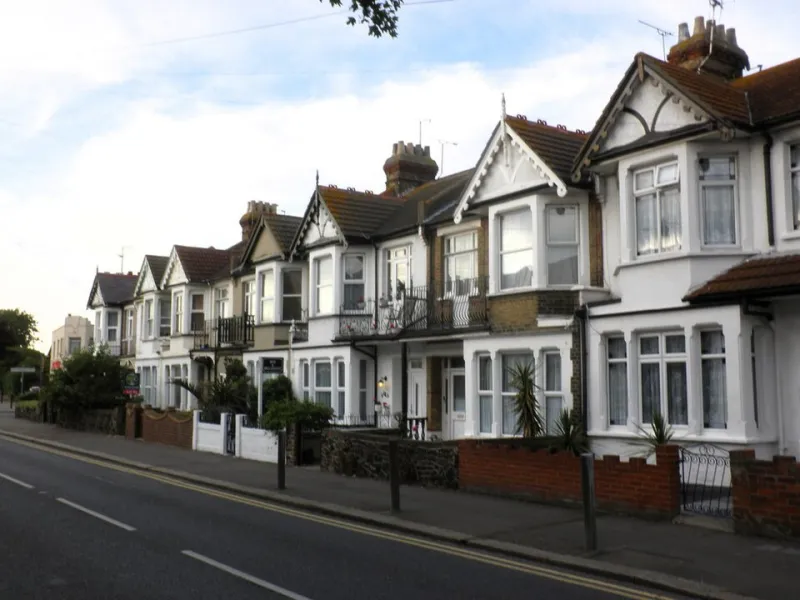
Photo: Roger Cornfoot , CC BY-SA 2.0, via Wikimedia Commons
In Southend-on-Sea, as in other parts of England, the private rented sector is regulated through licensing and enforcement notices. When a landlord lets a property without the required licence, ignores an improvement notice, or uses harassment or illegal eviction, the tenant may have a route to recover money already paid. The remedy is a rent repayment order, made by the First-tier Tribunal (Property Chamber). It is separate from a disrepair claim or a deposit dispute, and it is not automatic.
What an RRO does — and what it does not do
A rent repayment order requires a landlord to repay rent that an occupier paid during a period when the landlord was committing a specified offence. The tribunal may also reduce the rent payable. It is not a general compensation scheme for poor conditions, and it does not replace the council's power to prosecute or issue civil penalties. A tenant can seek an RRO even if the tenancy has ended, provided the application is in time. Local authorities can also apply for an RRO in some circumstances, but this guide focuses on applications by current or former occupiers.
The offences that can support an application
The Housing and Planning Act 2016 sets out the offences that can found an RRO. They include:
- using violence or threats to secure entry to premises;
- harassment or illegal eviction under the Protection from Eviction Act 1977;
- failing to comply with an improvement notice or a prohibition order;
- letting an unlicensed house in multiple occupation, or a property that requires a selective licence, without the necessary licence;
- breaching a banning order.
Southend renters in shared houses, bedsits and converted flats should check the council's public licensing register if they are unsure whether their home should be licensed. A property may need an HMO licence because of its layout and number of occupants, even if the landlord describes it differently.
The twelve-month window
An application must generally be made within 12 months of the offence. For a one-off act, such as an illegal eviction, that date may be clear. For a continuing offence, such as managing an unlicensed HMO, the position can be more complex; the relevant date may be when the offence ceased. Because the limit is strict, anyone considering a claim should take advice promptly and preserve documents. A late application is likely to be refused, however strong the underlying complaint.
Evidence the tribunal will expect
The tribunal decides on the balance of probabilities. A clear timeline is often more persuasive than a large but disorganised file. Useful evidence includes:
- the tenancy agreement, licence to occupy or other written terms;
- bank statements, receipts or rent book entries showing rent paid and the dates;
- proof of address, such as utility bills or council tax records;
- photographs and dated notes of the property's condition, if relevant to the offence;
- letters, emails, text messages and records of conversations with the landlord or agent;
- copies of any improvement notice, prohibition order or licensing correspondence;
- witness statements from other occupiers or visitors;
- the council's licensing register entry, or confirmation that no licence was in place.
Recordings and screenshots can be used if obtained lawfully. Medical evidence may be relevant where harassment or illegal eviction has affected health, but it is not essential to prove the offence itself. If the landlord is a company, identify the correct legal entity from the tenancy agreement, rent receipts or Companies House.
How the tribunal calculates an award
There is no fixed sum. The tribunal may order repayment of rent paid for a period of up to 12 months during which the offence occurred. It will consider the conduct of both landlord and tenant, the landlord's financial circumstances, the extent of any harm, and whether the landlord knew or ought to have known about the offence. The award is limited to rent actually paid; unpaid rent cannot be recovered as an RRO. The tribunal may also reduce the rent payable for a period. Applicants should present a simple schedule of payments, with dates and amounts, rather than a lump-sum estimate.
Making the application
Applications are made to the First-tier Tribunal (Property Chamber) using the tribunal's rent repayment order form and procedure. The tribunal's guidance sets out the current requirements and any fee. The case may be decided on paper or at a hearing, and applicants can represent themselves. Prepare a bundle with numbered pages and a short chronology. Keep copies of everything sent to the tribunal and to the landlord. If an order is made and not paid, it can be enforced through the county court; the tribunal's staff can explain the next step.
Local support in Southend
Southend-on-Sea City Council's private sector housing team can advise on licensing and enforcement, and may take action in serious cases. Shelter and other housing advice services can help with evidence and tribunal procedure. Before applying, it is worth checking whether the council has already served a notice or taken enforcement action, as that material can support an application. Advice agencies can also help assess whether a claim is within time and whether the landlord has the means to pay.
A final point on records
The strongest RRO applications are built before the dispute escalates. Keep rent receipts, save messages, note dates of inspections and conversations, and ask the council for confirmation of licensing records. A rent repayment order is not a quick fix, but for some Southend renters it is a practical way to recover money paid during a period when the landlord was not meeting basic legal obligations.