Rooms Without Residents: Challenging an Empty Homes Premium in Southend

Photo by Photo by Amy W. on Unsplash on Unsplash
A property standing empty in Southend may be a renovation project, a flat between tenancies or a home held in an estate. Whatever the reason, council tax does not simply pause when the front door closes. Since 2013, councils in England have been able to charge an empty homes premium, and from April 2024 the government allowed authorities to apply higher premiums after shorter periods. In 2026, owners and representatives in Southend need to understand how the empty-property clock works before a routine bill becomes a larger liability.
What the premium is and when it applies
Council tax is built on the assumption that a dwelling is someone’s home. The empty homes premium is an additional charge on top of the standard council tax bill when a dwelling has been unoccupied for a set period. In England, the premium can now apply after one year of emptiness, with higher rates for longer periods. Before April 2024, the general threshold was two years.
The exact rates and dates that apply to a Southend property should be checked against the current council tax bill, annual notice or Southend-on-Sea City Council’s council tax pages. The premium is not a penalty for renovating a property or for administering an estate. It is a local tax rule, and it can apply even where the owner has no wish to leave the home empty.
In most empty-property cases the owner is liable for council tax, but tenancy agreements and the occupation history can affect who receives the bill. A tenant who has recently left should not assume the account has been closed correctly. A buyer should not assume the seller has settled everything. Both should ask the council to confirm the position in writing.
The clock: continuous emptiness and why dates matter
The premium is triggered by the length of continuous unoccupation. That makes dates important. The day a property became empty, any short periods of occupation and the date works began can all affect the calculation. A home does not necessarily reset the clock simply because furniture remains inside or because someone visits occasionally. The central question is ordinarily whether the dwelling is occupied as a home.
Owners should keep a simple log. Record when the property became empty, when it was visited, what work was carried out, when utilities were connected or disconnected, and when keys were returned or changed. Dated photographs and contractor invoices can be more useful than a general explanation given months later. If a relative or friend stayed for a short period, record that too, but be precise about whether it was genuine occupation rather than occasional checking.
Discounts and exemptions that may still apply
An empty homes premium is not the only rule in play. Some properties may still qualify for a discount or exemption, at least for part of the empty period. The main council tax discount for empty properties generally applies where a dwelling is empty and substantially unfurnished, but local authorities have discretion over the level and duration. Southend residents should ask the council what discount, if any, applies to their property rather than relying on general assumptions.
Probate is a common source of confusion. Where a property is empty and the liable person is the personal representative of someone who has died, a council tax exemption can apply for a limited period after probate or letters of administration are granted. That exemption does not last indefinitely. If the property remains empty after it ends, a premium may begin to accrue while the estate is still being administered.
Renovation is another area where owners are caught out. There is no general exemption simply because a property is being modernised or is in poor condition. An exemption may apply in specific situations, such as where occupation is prohibited by law following a dangerous structure notice, but ordinary building works do not automatically remove council tax liability. Owners should tell the council what is happening and ask for the account to be reviewed with evidence.
Other exemptions can apply in narrower circumstances, including some properties left empty by someone in hospital or residential care, in detention, receiving or providing care, repossessed by a mortgage lender, or affected by bankruptcy. These are not automatic. The council will usually need documents and a clear explanation of the period involved.
Why probate and renovation catch people out
Probate delays and building delays have something in common: they are difficult to predict. An executor may begin with a six-month exemption and expect the house to be sold well before it ends. A builder may promise a short programme of works that stretches across seasons. In both cases, the council tax account can move from a discount or exemption into a premium without anyone noticing.
The practical answer is early contact. Tell Southend-on-Sea City Council when the property became empty and why. Ask which discount or exemption is being applied and when it is due to end. If the property is being sold, provide the estate agent’s details and keep the council updated. If works are underway, supply dated invoices, photographs and any building control or surveyor correspondence. Do not ignore council tax letters on the basis that the property is uninhabitable or that no one is living there.
Challenging a premium decision: a practical route
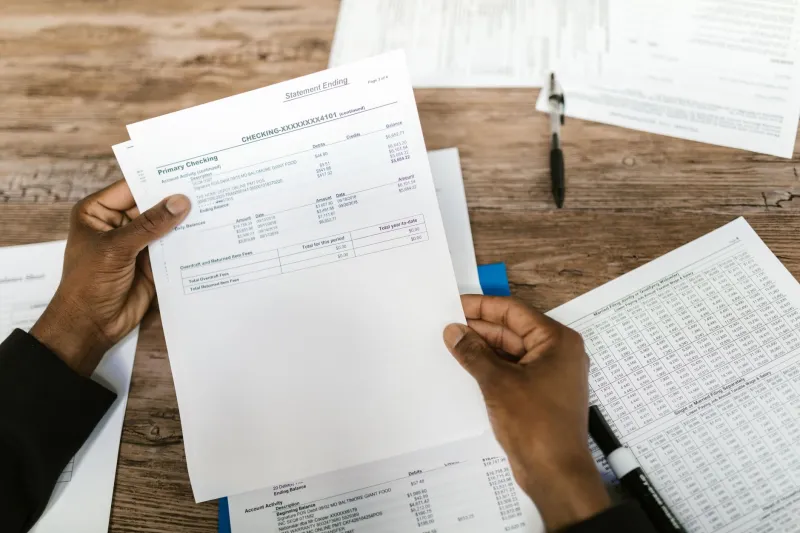
If a premium appears on a bill and the owner believes it is wrong, the first step is to ask the council for an explanation and a review. Put the request in writing and include the property address, council tax account number and the dates in dispute. Ask which period the council says the property was empty, which rate applied and what evidence it has used.
Useful evidence can include dated photographs, utility accounts, contractor quotations and invoices, building control records, probate documents, tenancy agreements, completion statements and correspondence with the council. Redact sensitive information where it is not needed. A short covering letter that sets out a clear timeline is often more effective than a bundle of unconnected papers.
If the council’s review does not resolve the matter, ask for the formal complaints route and for the decision letter to explain any further appeal rights. Some council tax disputes can be taken to the Valuation Tribunal for England, while complaints about how a decision was handled may go to the Local Government and Social Care Ombudsman. Free advice from Southend Community Advice or a local Citizens Advice service can help before deadlines pass.
If you are a tenant or a buyer
Tenants should check the start date of the tenancy and ask the council to update the account when they move in or out. A furnished let can create liability for the tenant, but an empty period before the tenancy began should not be left on the wrong account. Buyers should ask their solicitor to check the council tax position as part of the conveyancing process. An unpaid empty homes premium can become a debt connected to the property and may affect completion.
Landlords should treat the gap between tenancies as a period that may count. Keeping a record of viewings, repairs and marketing can help show what happened, but it does not guarantee a discount. The safest approach is to ask the council how the account will be treated before the bill arrives.
In 2026, with higher premiums available to councils, a few months of unnoticed emptiness can make a significant difference. A clear record, early correspondence and a calm challenge are the best protection for Southend owners, tenants and personal representatives.